Water damage in a warehouse can quickly become a serious business problem. A leaking roof, burst pipe, overflowing drain, or severe storm can damage inventory, packaging, electrical equipment, and fulfillment areas within minutes. For businesses that rely on online orders, even a short disruption can lead to delayed shipments and unhappy customers. Working with experienced water damage experts in Wichita can help businesses respond quickly, limit damage, remove standing water, and begin the drying process before moisture spreads throughout the property.

Why Warehouse Water Damage Requires Immediate Attention
Warehouses often contain large quantities of products stored in boxes, on pallets, or inside shelving systems. Once water enters the building, moisture can spread underneath racks, through cardboard packaging, and across concrete flooring.
The longer water remains in the warehouse, the greater the potential for secondary damage. Packaging may weaken, labels can become unreadable, metal products may begin to corrode, and porous materials can absorb moisture.
Quick action is especially important for warehouses handling online orders. A damaged fulfillment area can interrupt picking, packing, and shipping operations, creating delays that affect both customers and the business.
Common Causes of Water Damage in Warehouses
Warehouse water damage can happen for many reasons. Roof leaks are common, particularly when roofing materials have been damaged by wind, hail, or age. Water may enter gradually and remain unnoticed until ceiling materials, products, or storage areas become visibly wet.
Plumbing problems are another common source of damage. Broken pipes, damaged supply lines, leaking fixtures, or malfunctioning sprinkler systems can release significant amounts of water.
Heavy rainfall and drainage problems may also cause water to enter loading docks, entrances, or low areas of the building. In some properties, clogged gutters or poor exterior drainage can direct water toward the warehouse instead of away from it.
Protect Inventory From Further Damage
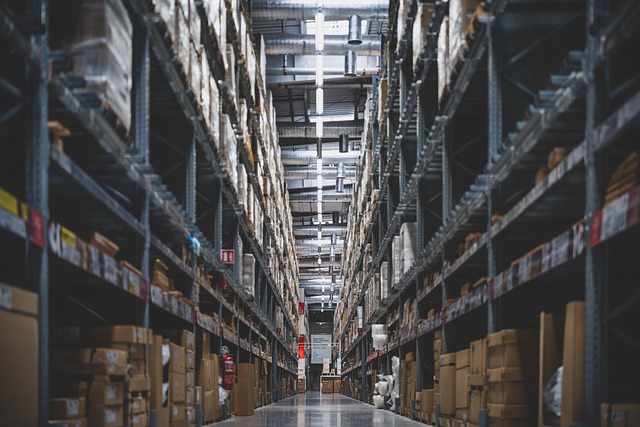
Protecting inventory should be one of the first priorities after discovering water damage. Employees should move unaffected products away from wet areas whenever it is safe to do so.
Items stored directly on the floor are especially vulnerable. Using elevated pallets, racks, and shelving can help reduce the risk of inventory loss during minor leaks or flooding.
Wet boxes should be inspected carefully. Even when the product inside appears undamaged, weakened packaging may make the item unsuitable for storage or shipping.
Businesses should also document damaged products with photographs and inventory records. Accurate documentation can make it easier to track losses and provide information required by insurance providers.
Keep Online Orders Moving
For e-commerce operations, warehouse damage can quickly affect customers. If shipping areas, computers, packaging equipment, or stored inventory are damaged, order fulfillment may slow down or stop completely.
Businesses should have a backup fulfillment plan before an emergency occurs. This might include temporarily relocating packing stations, using unaffected sections of the warehouse, or transferring important inventory to another facility.
Communication is equally important. If water damage is likely to cause shipping delays, customers should receive clear updates regarding their orders.
Maintaining accurate inventory records can also prevent customers from purchasing products that have been damaged or temporarily removed from stock.
Remove Water and Dry the Warehouse
Once the water source has been controlled, standing water should be removed as quickly as possible. Professional water extraction equipment can remove large amounts of water from warehouse floors and hard-to-reach areas.
Drying the building requires more than simply removing visible water. Moisture can remain underneath flooring, inside walls, behind equipment, and within building materials.
Commercial air movers and dehumidifiers are commonly used to reduce moisture levels and improve drying conditions. Moisture meters may also be used to identify areas that remain damp even when surfaces appear dry.
Proper drying helps reduce the risk of additional deterioration and allows affected sections of the warehouse to return to normal operation sooner.
Prevent Mold After Warehouse Water Damage
Moisture left behind after a leak or flood can create conditions that support mold growth. Cardboard, drywall, wood, insulation, and other porous materials can retain moisture for long periods.
Removing damaged materials and thoroughly drying the affected areas can help reduce this risk. Warehouse managers should also inspect areas behind shelves, underneath pallets, and around walls where moisture may remain hidden.
If unusual odors or visible mold appear after water damage, professional inspection may be necessary to determine the extent of the problem.
Create a Water Damage Emergency Plan
Preparation can significantly reduce the disruption caused by warehouse water damage. Every facility should have an emergency response plan explaining what employees should do when a leak or flood is discovered.
Employees should know where the main water shutoff valve is located and who should be contacted during an emergency. Important inventory, electrical equipment, and shipping supplies should be stored above floor level whenever possible.
Routine roof, plumbing, drainage, and sprinkler system inspections can also help identify problems before they cause significant damage.
Maintaining an updated inventory list and photographing valuable stock can make recovery and insurance documentation easier as well.
Protect Your Warehouse and Business Operations
Warehouse water damage can affect much more than the building itself. Damaged inventory, interrupted fulfillment, equipment problems, and delayed online orders can create significant operational and financial challenges.
Responding quickly is the best way to limit the impact. Stop the water source when possible, move unaffected inventory to a safe location, document losses, and begin professional water extraction and drying.
With a strong emergency plan and fast response, warehouse owners can reduce property damage, protect valuable inventory, and restore normal shipping operations as efficiently as possible.